
We usually think that modern buildings are all about glass and steel with corners. They look totally new and have no connection to old buildings. The heart of these modern buildings is actually very old. The way old buildings influence the design of modern ones is really interesting. It is a connection that takes us from a time long ago to the present day with all our computers and technology. The best architecture company in Dhaka understands this story, just as the skilled builders in Rome did a long time ago. Modern architecture and ancient architecture are connected in many ways. Modern buildings are still inspired by historical architecture.
This inspiration goes far beyond just copying old styles. It’s not about putting Greek columns on a skyscraper. It’s about learning from timeless architectural principles. Modern designers, and indeed the best interior design company in Bangladesh, look to the past for wisdom on proportion, sustainability, and human scale. These lessons are more relevant today than ever before.
More Than Just Columns: The Real Ancient Legacy
When most people think of ancient architectural influence, they picture a bank. They see a grand building with a Roman dome or Greek columns on its facade. This is the most obvious, but also the most superficial, way the past is used.
The real influence is in the ideas, not the ornaments. It’s the “why” behind a design. Why does the Parthenon feel so perfect? Why does a Roman aqueduct feel so powerful? The answers teach us about math, engineering, and the human experience.
The people who started the style said they wanted to do something new and different from what came before. They were still inspired by old things. A famous architect named Le Corbusier really loved the simple lines of the Parthenon. He thought the Parthenon was a building that could make people feel things deeply , like a machine that creates feelings. This is what Le Corbusier wanted his own houses to do. Today, big companies and small companies like STUDIO iSoTECH want to build things that make people feel this way. They want the buildings they design to be like the Parthenon, a machine for creating emotion.
Principle 1: The Enduring Power of Proportion
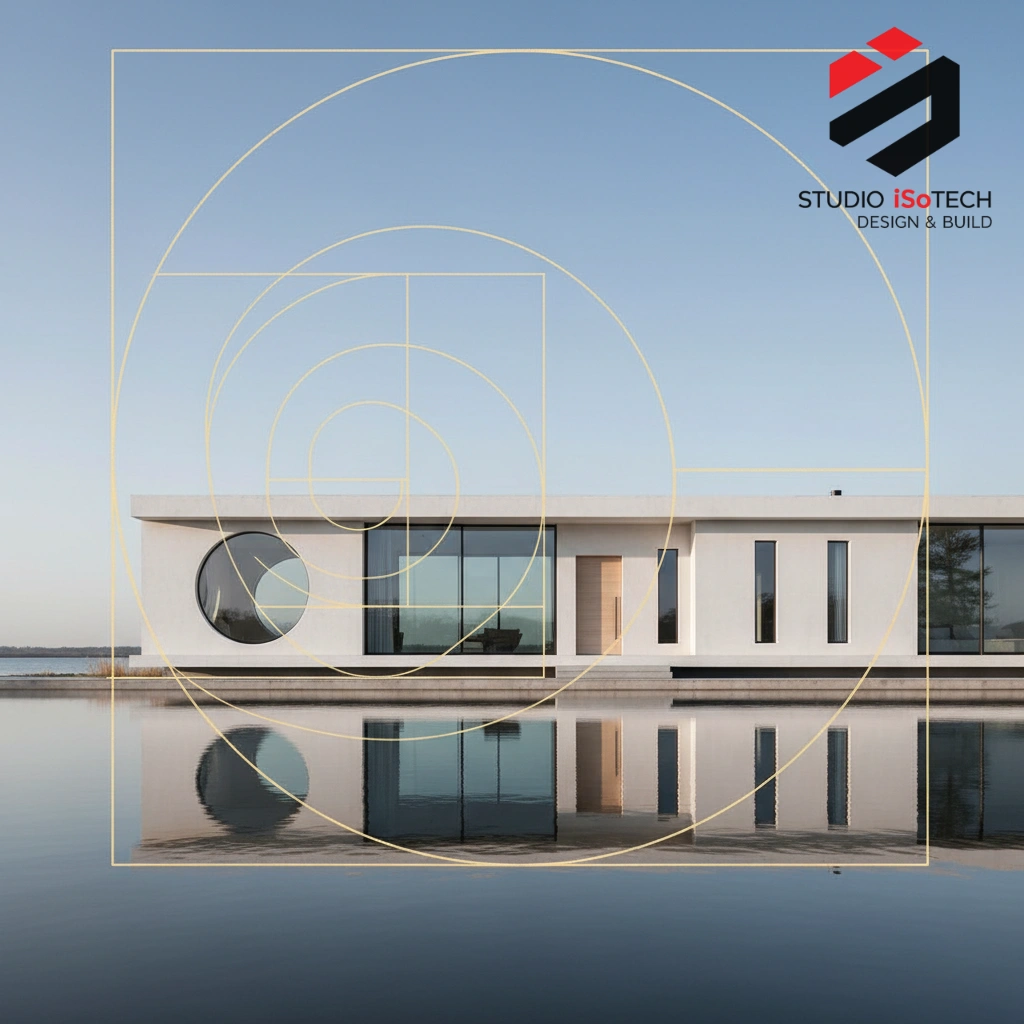
The ancient Greeks were good at making things look right. They thought beauty was about numbers. They used ideas like the Golden Ratio to make things look nice. They made buildings look good on purpose. The Parthenon in Athens still looks balanced today because of this. It still works today. The ancient Greeks knew how to make things look great. That’s why we still like their buildings. They used the Golden Ratio again. It made their buildings look really good.
These ratios are not arbitrary. They are found in nature and in the human body. Using them in a building creates a subconscious sense of order and calm. It simply “feels right” to us, even if we don’t know exactly why.
This is one of the things that makes buildings look nice. Even though you cannot see architecture systems , they are used everywhere. They help determine where to put windows, how high ceilings should be, and how to set up floor plans. You can see architecture systems in many homes, like a custom duplex house design in Bangladesh or even a museum. Modern architecture systems are really important in these places.
Principle 2: Lessons in Sustainable, Site-Specific Design
“Sustainability” is a modern buzzword. But the concept is ancient. Early builders did not have air conditioning or central heating. They had to use skill and observation to create comfortable buildings. They were forced to be “green”, a lesson the best home interior design company in Dhaka is re-learning today.
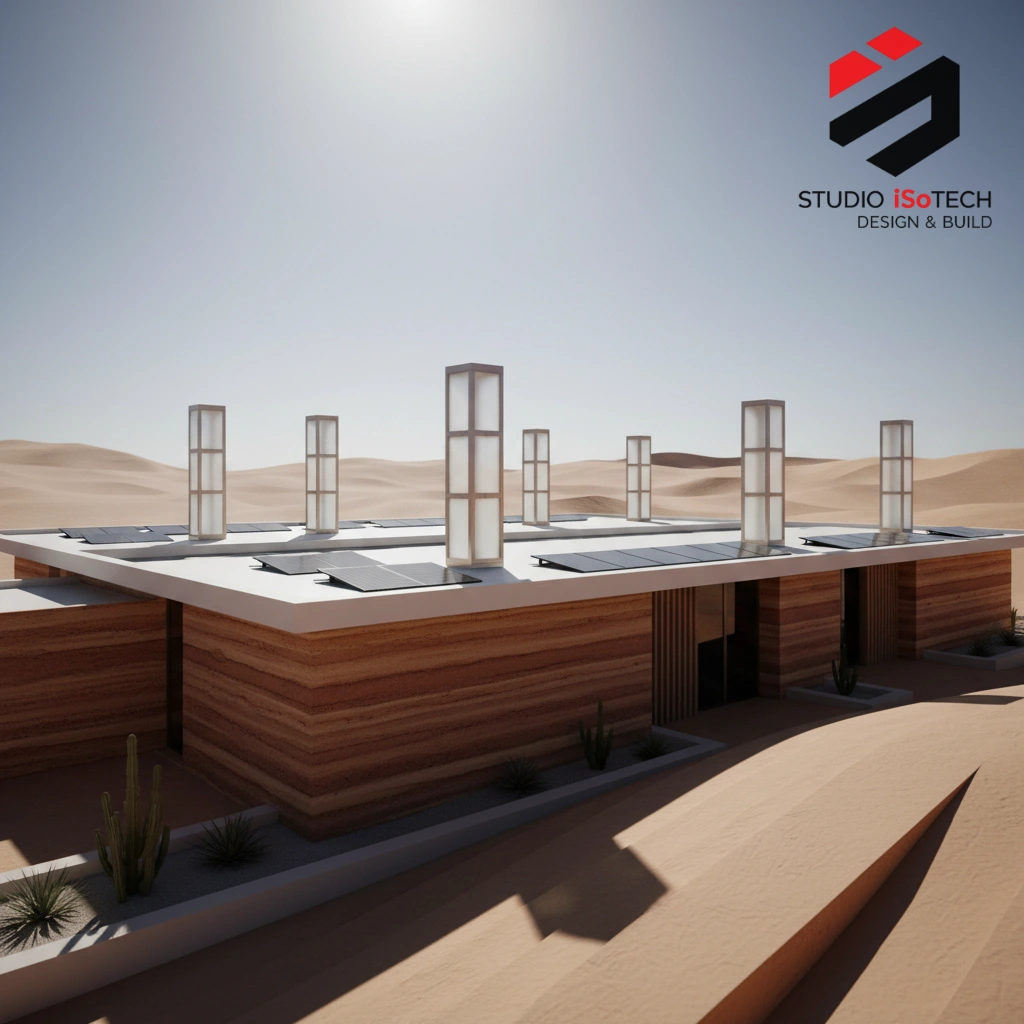
They were experts in design. Think of the mud walls in the desert. They soak up heat during the day and let it out at night. Look at the traditional courtyards in homes in the Middle East ; they create a shaded spot. This idea still works well in interior design in Mohammadpur. We need to make the most of airflow in city areas.
This ancient wisdom is a huge influence today. “Green” architects study these vernacular (local) techniques. They learn how to orient buildings to the sun, capture natural breezes, and use thermal mass. It’s a high-tech return to an old-tech idea.
Case Study: Ancient Wisdom in Modern Green Building
Many modern “green” buildings are directly modern buildings inspired by antiquity. The architect will use computers to model airflow. But the goal is the same as an ancient wind tower in Iran: to cool a building without machines.
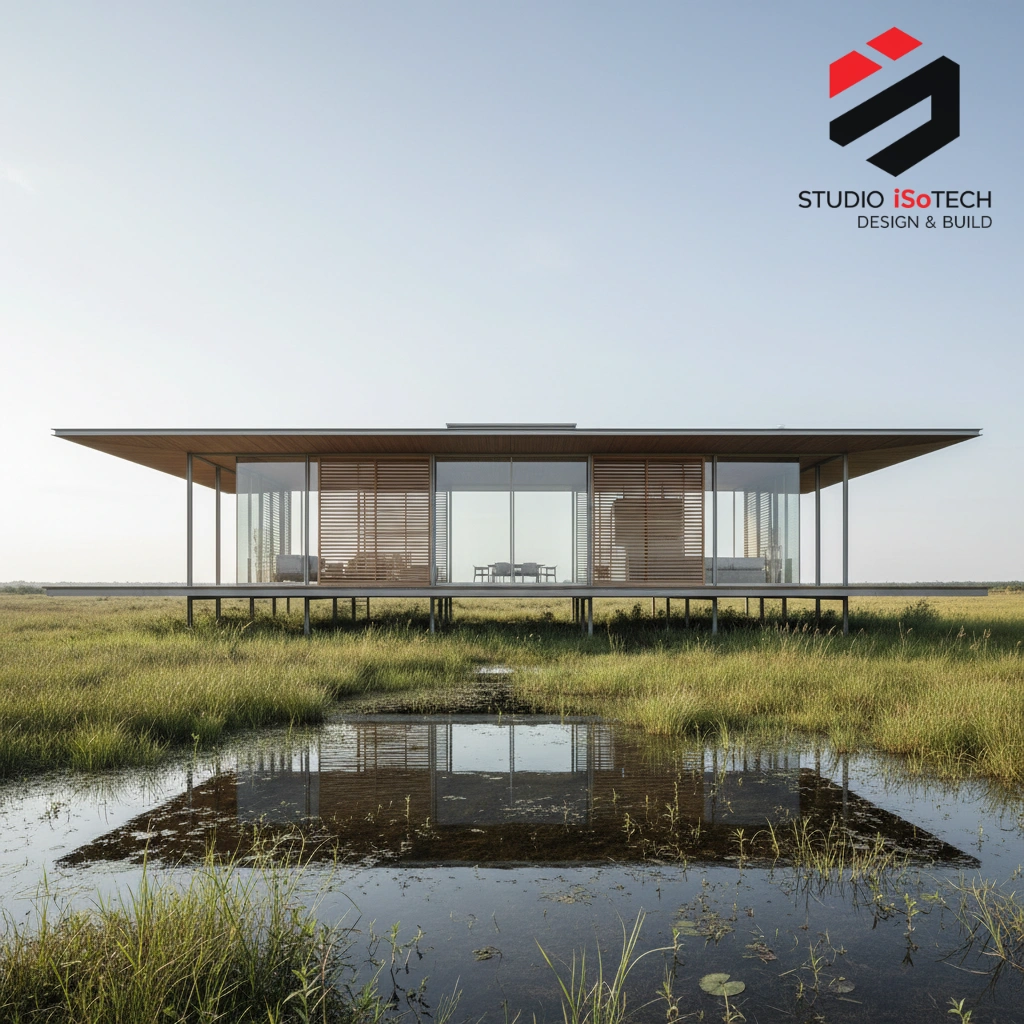
Architects like Glenn Murcutt, a Pritzker Prize winner, are famous for this. His buildings in Australia are not concrete boxes. They are lightweight structures with verandas, screens, and water tanks. They are designed to “touch the earth lightly,” an idea our ancestors would have understood.
This profound connection to the local climate and landscape is a direct lesson. It’s a move away from “one-size-all” glass boxes. It’s a return to building designs that respect their specific location. This is a core part of sustainable design, and a philosophy that a top interior design company in Dhaka must adopt.
Principle 3: Monumentality and the Human Experience
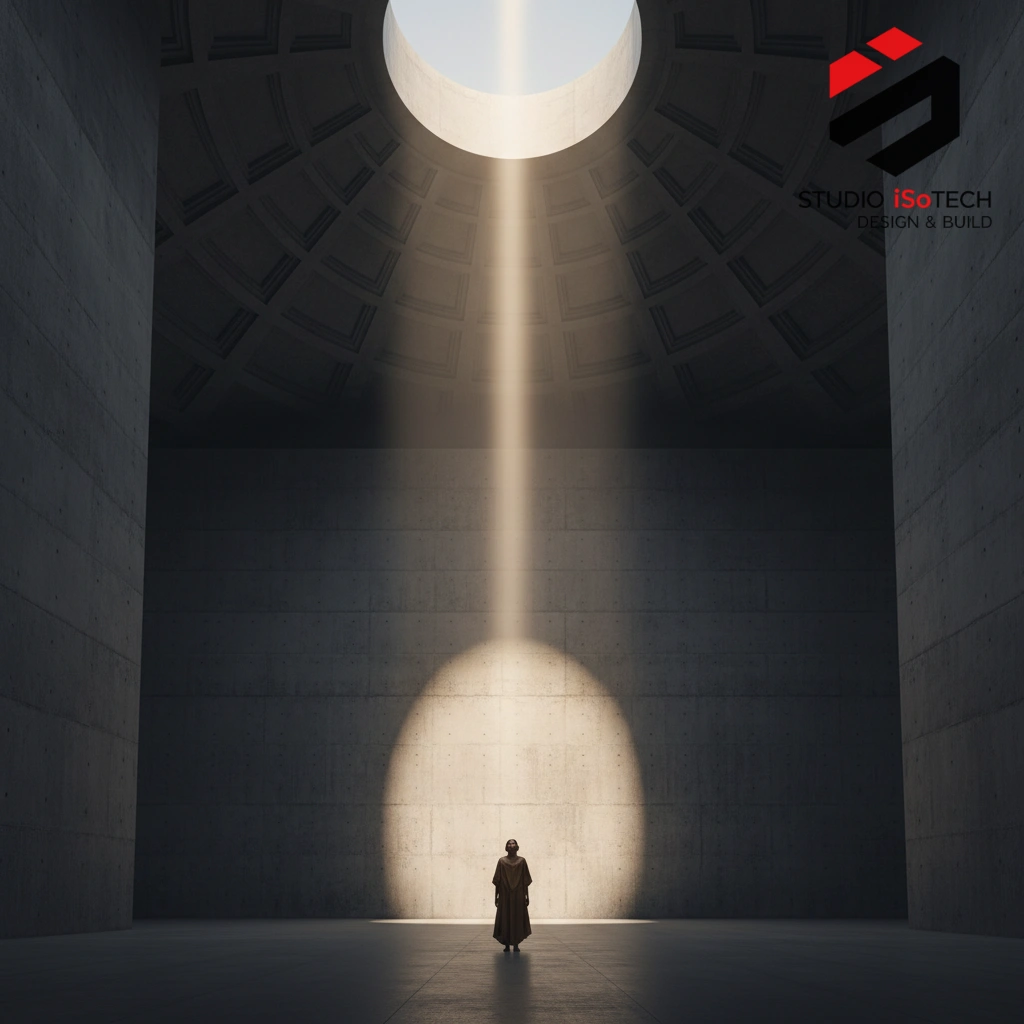
I have been to an old and amazing place before. The Pantheon in Rome is an example of this. When you walk through the path at the front and enter the big room with a lot of light , you feel truly amazed. This is what the people who built the Pantheon wanted to happen when you visit the Pantheon.
Ancient builders were masters of the human experience. They understood procession, drama, and scale. They carefully designed the journey into and through a building. This creates a powerful emotional or spiritual response in the visitor.
This concept deeply influenced modern masters like Louis Kahn. His buildings, like the Salk Institute or the National Assembly Building in Bangladesh, are famous for this. He used concrete and light to create a silent, monumental feeling. This feeling is both modern and ancient. It’s a standard of excellence that firms in the Top 10 Architectural Firms in Bangladesh deeply respect.
Public Space and Community: The Roman Forum
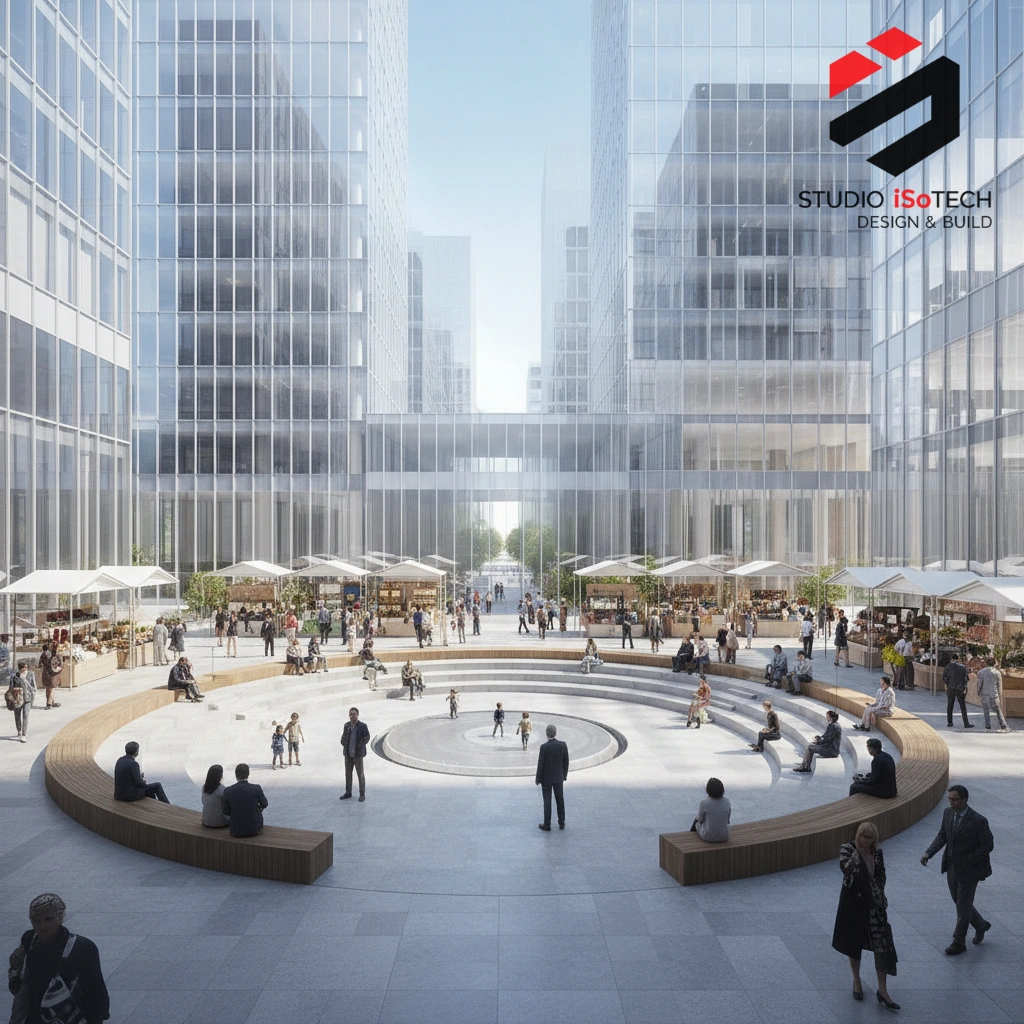
The ancient architectural influence is not just in individual buildings. The Romans gave us the forum. This was the public “living room” of the city. It was a defined space for markets, speeches, trials, and social life.
This concept, the importance of a central, vibrant public space, is a cornerstone of modern urban planning. A city without good public squares or parks feels dead. A principle a Top Landscape Design Company In Bangladesh would understand is that we crave these places for community and connection, even in our digital age.
When you see a new development with a central plaza, you are seeing a modern forum. This is especially important in dense neighborhoods like Interior Design in Shekhertek, where shared public space builds community. They are modern buildings inspired by antiquity in concept, if not in style.
Principle 4: Honesty in Materials and Structure
Ancient builders were honest. They had to be. Their materials were simple: stone, wood, brick, and mud. A stone column’s job was clear: it held up the roof. You can see how the building works. The structure is the architecture.
This “truth to materials” is a powerful idea. A Greek temple is a clear expression of a post-and-beam system. A Gothic cathedral is a stone skeleton, with every piece working. There is no faking it. The beauty comes from the structural logic.
This was a core idea for the Modernist movement. They hated the 19th-century habit of hiding a steel frame behind a fake Roman facade. They wanted to show the real structure. This desire for honesty is a direct return to an ancient way of thinking. It’s a principle that guides the best interior design company in Dhaka when they choose authentic wood over cheap laminate.
The Future of the Past
So, why does all this matter? The past is not just a stylebook for architects to copy. It is a source of fundamental, timeless architectural principles. It is a record of thousands of years of human problem-solving, written in stone.
As we face huge new challenges, these principles are more relevant than ever. How do we build sustainably in a climate crisis? The ancients have answers. This is a question the entire design community, including every interior design company in Bangladesh, must ask. How do we build community in a digital, isolated world? The Romans showed us the way.
How old buildings still inspire design is by answering the questions we have today. It reminds us that even though technology changes , people don’t. We still need a place to live , people around us , and things that make us happy. The past helps us build a future. Ancient architecture still inspires design because of that.
Summary
Ancient architecture’s influence on modern design is profound and often hidden. It goes far beyond copying columns and arches. Modern architects and designers, including the Top 10 Interior Design Company in Dhaka, are inspired by the timeless principles of the past. These include the mathematical harmony of Greek proportion, the brilliant passive design of vernacular “green” building, the masterful use of human scale and procession, and the structural honesty of “truth to materials.” The past provides a blueprint for building a more sustainable, beautiful, and human-centered future.
Frequently Asked Questions (FAQ)
1. What are the classical elements in modern architecture?
They are not just columns or domes. The true classical elements are the underlying ideas: a belief in mathematical proportion, a focus on symmetry and balance, the clear logic of a structure, and the creation of durable, beautiful public spaces.
2. How is ancient architecture sustainable?
Ancient builders knew how to be kind to the environment. They had to be. They mostly used materials they found nearby , like stone, mud, and wood. They built in a way that worked with nature. They made sure buildings faced the sun. They used walls to keep the heat out. They designed courtyards and wind towers to cool the air. Nowadays , architects who care about the environment are looking at these ideas. They find that simple, low-tech solutions can be really smart. These builders use techniques to create green buildings. Ancient builders used materials. Builders used materials they found locally.
3. What is a modern building inspired by antiquity?
The Kimbell Art Museum in Texas by Louis Kahn is an example. This building does not look like a temple but the Kimbell Art Museum uses principles from a long time ago. The Kimbell Art Museum features a series of barrel vaults that are repeated over and over which is a form that the Romans used. Louis Kahn used these barrel vaults in the Kimbell Art Museum to filter the light in a really great way, which creates a space that is calm and peaceful and the Kimbell Art Museum feels like it has been around forever it is a very special place to be, in.
4. What are timeless architectural principles?
These are the core ideas that make a building good, regardless of its style or age. They include:
- Human Scale: Designing for the comfort of the human body.
- Connection to Place: Respecting the local climate, culture, and materials.
- Good Proportions: Creating a sense of harmony and beauty.
- Clear Structure: An honest and logical design.
- Mastery of Light: Using natural light to shape spaces.