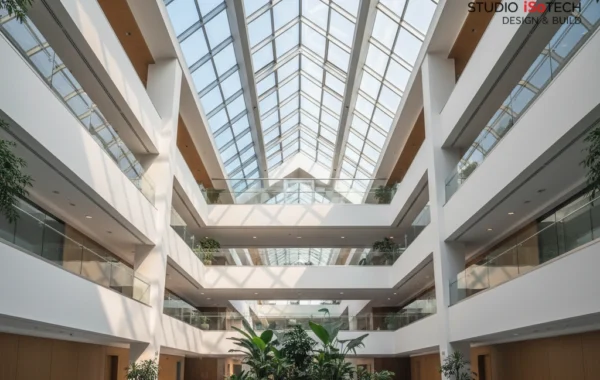

Have you ever walked into a room that just “felt” right? The flow was natural. It was easy to move and live in. This is not an accident. This is the result of great design. The importance of space planning in modern architecture is the foundation of this feeling.
It is the unseen art of organizing a building’s interior. It is the architect’s primary tool for solving problems. It dictates how we interact with our homes and offices. It defines our experience of a building long before we notice the wall color.
What Is Space Planning, Really?
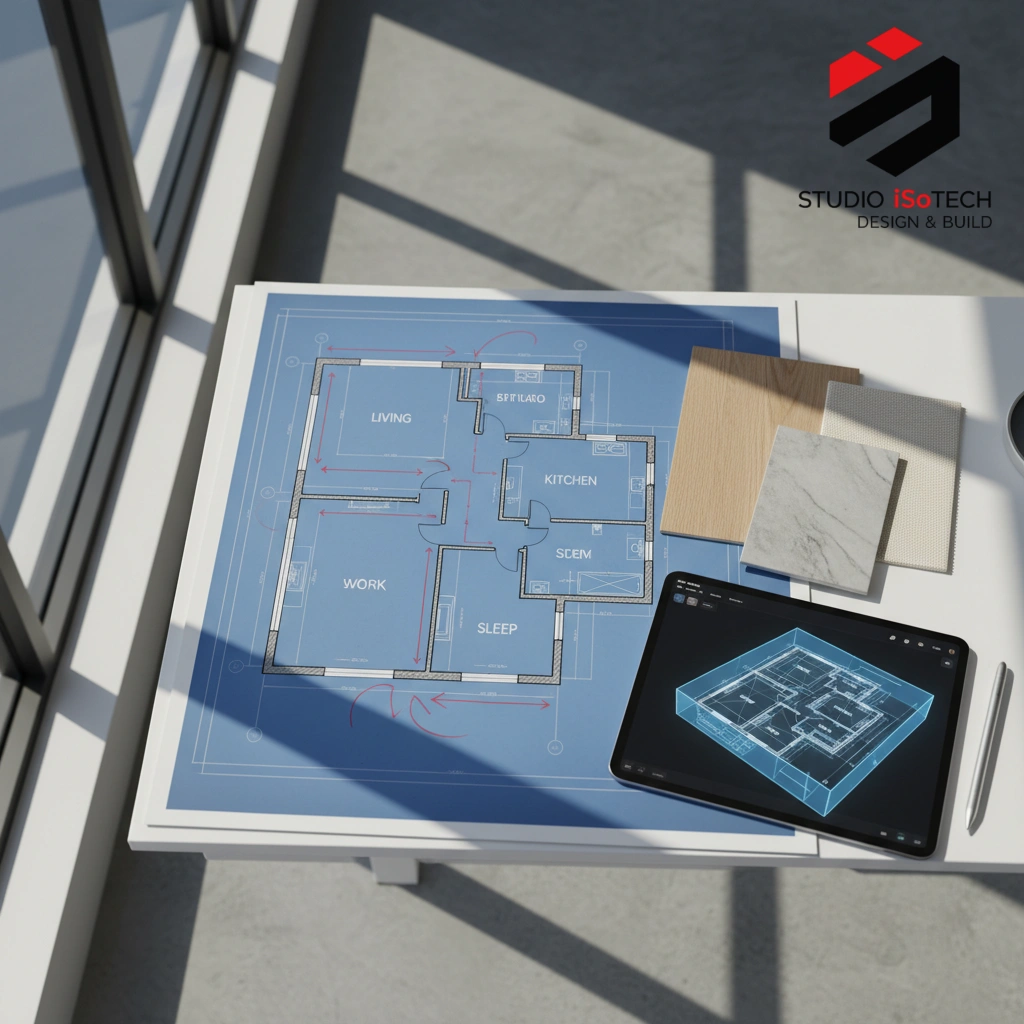
Space planning is the in-depth analysis of a floor plan. It is a process. It determines how a space will be used. It involves everything from public zones to private rooms.
It is not just about placing furniture. It is about creating zones and pathways. It’s the logic behind the layout. It ensures every square foot has a purpose. This is key to modern architectural space planning.
Think of it as the grammar of a design. You can have beautiful words (materials). But without grammar (planning), the sentence is just noise. Good planning makes the “story” of the home clear.
Why Modern Architecture Needs Smart Planning
Modernism changed everything. It broke open the traditional “box” of separate rooms. We got open-plan living. This new freedom is wonderful. But it also presents a huge challenge.
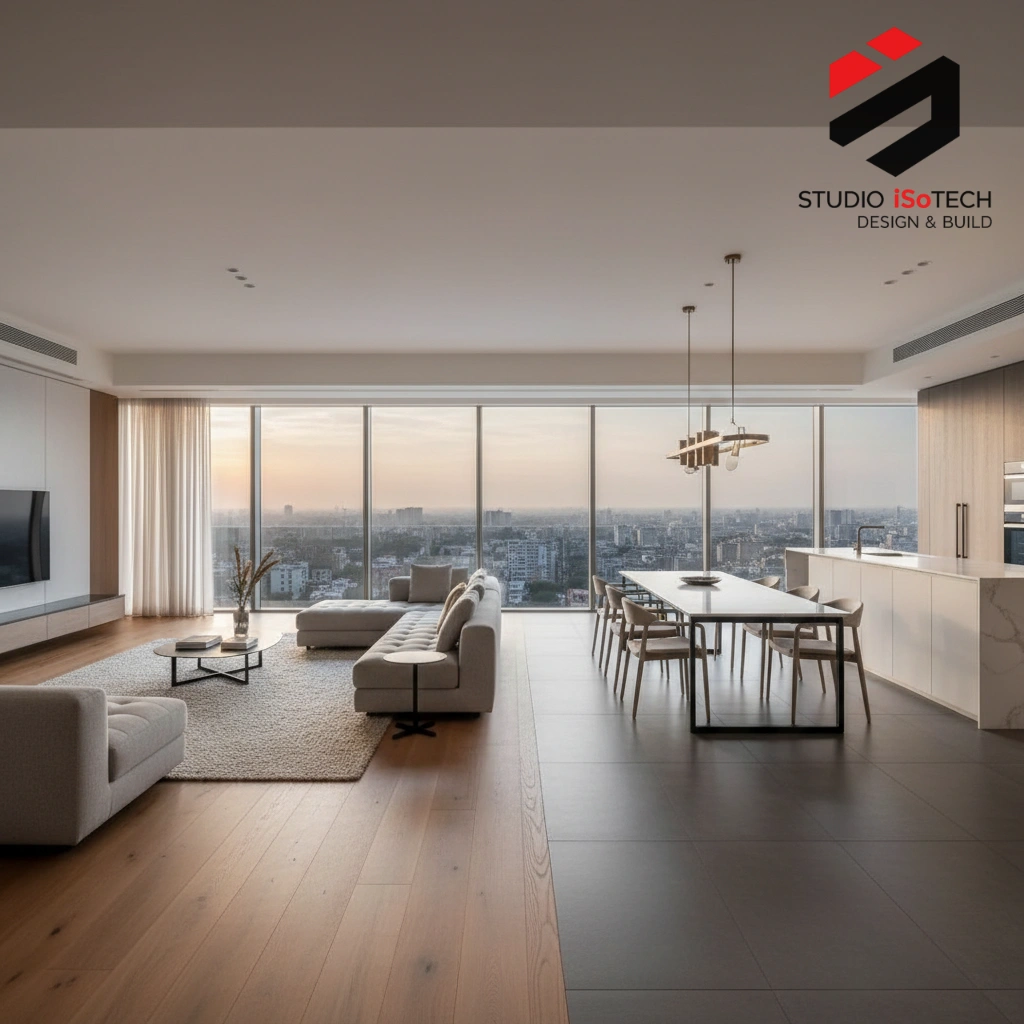
Without walls, how do you define a kitchen from a living room? How do you create privacy? The answer is through smart space planning. It uses furniture, ceiling heights, or flooring to create “zones.”
This is the core of the importance of space planning in modern architecture. It creates order in the openness. It prevents a large, open space from feeling chaotic. It ensures function is not lost to form.
The Core Principles of Effective Planning
Several key principles guide architects. The first is “Zoning.” This is the logical separation of spaces. Public zones (living room, kitchen) are grouped. Private zones (bedrooms, baths) are separate.
Zoning keeps a home functional. You don’t want guests walking through a bedroom. You don’t want kitchen noise next to a quiet office. This is a fundamental benefit of good space planning.
This logic extends to all building types. In an office, loud collaborative areas are zoned away. They are kept separate from quiet, focused workstations. This logic improves productivity and comfort.
Achieving “Flow”: The Magic of Circulation
Have you ever been in a home with awkward hallways? Or a kitchen where you are always bumping into someone? This is a failure of “flow.” Flow, or circulation, is a vital part of space planning.
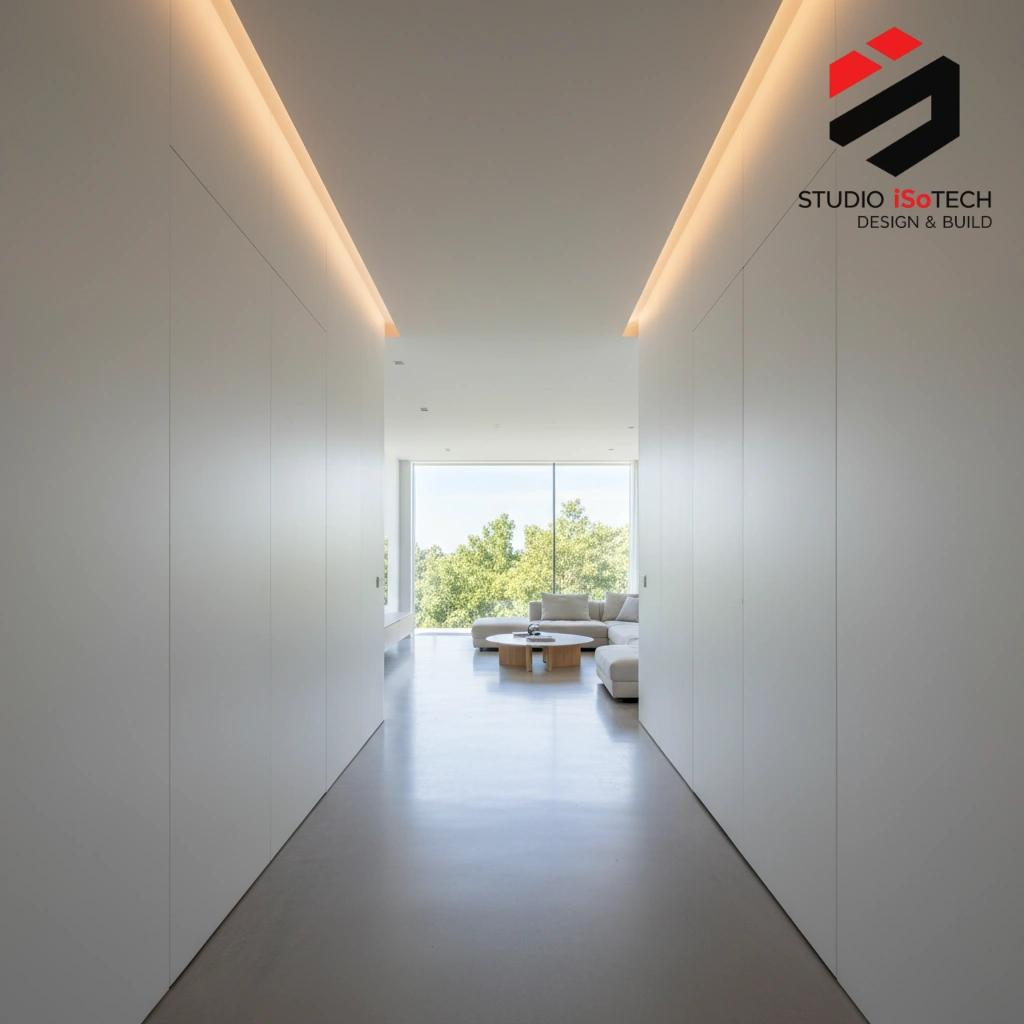
It is the invisible pathway that guides people through a building. It should be intuitive and effortless. The concept of flow in architecture is about creating clear, unobstructed routes.
Good flow makes a space feel larger and more relaxing. Bad flow creates bottlenecks. It causes daily frustration. Planning these pathways is a critical step for any top 10 Architectural Firms In Bangladesh.
How to Plan for Better Flow
Architects map out “circulation paths” early. They consider the main routes. For example, from the car to the kitchen with groceries. Or from the bedroom to the bathroom.
These paths must be wide enough. They should be free of clutter. This is essential for creating functional living spaces. The goal is to move without thinking.
Furniture placement is also part of this. A sofa placed in the wrong spot can block a major path. Good modern architectural space planning considers furniture from the very beginning.
Beyond Function: The Psychology of Space
Good planning is more than practical; it is also good for our minds. Space planning in buildings is really important, for our well-being. The way we plan spaces affects how we feel. Good space planning helps us feel better.
A nice space can make us feel calm and safe. A small space that is not planned well can make us feel stressed. Our space affects how we feel every day. A good space is like a home. Space, like this can make us happy and calm. A bad space can make us feel unhappy and stressed.
Architects use scale and proportion to affect how we feel. A room with a ceiling can make us feel inspired. On the other hand a cozy nook with a low ceiling can make us feel safe and secure. These are choices that architects make on purpose. The best architectural firm in Dhaka makes these kinds of choices.
Scale and Proportion in Planning
Scale is about how big or small a space is compared to a person. A room should feel comfortable, for a human. A huge empty hall can feel scary. When a space feels right it makes a person feel at ease. The size of the room makes a difference. A room that is too big can feel overwhelming.
Proportion is about how different parts relate to each other. It is, about balancing a room’s length, width and height. A room that is long and narrow can feel like a tunnel.
A good architect gets all these things right. The architect makes sure the furniture fits well in the room. Good space planning has advantages. One big plus is that it creates harmony in a room. The furniture and room work together. This is what makes a room feel right.
Space Planning for Modern Life: Multipurpose Rooms
Our lives are more complex than ever. Our homes must work harder. Many of us now work from home. Our spaces must be flexible.
This has made smart space planning even more crucial. How can a dining room also be an office? How can a living room also be a guest room?
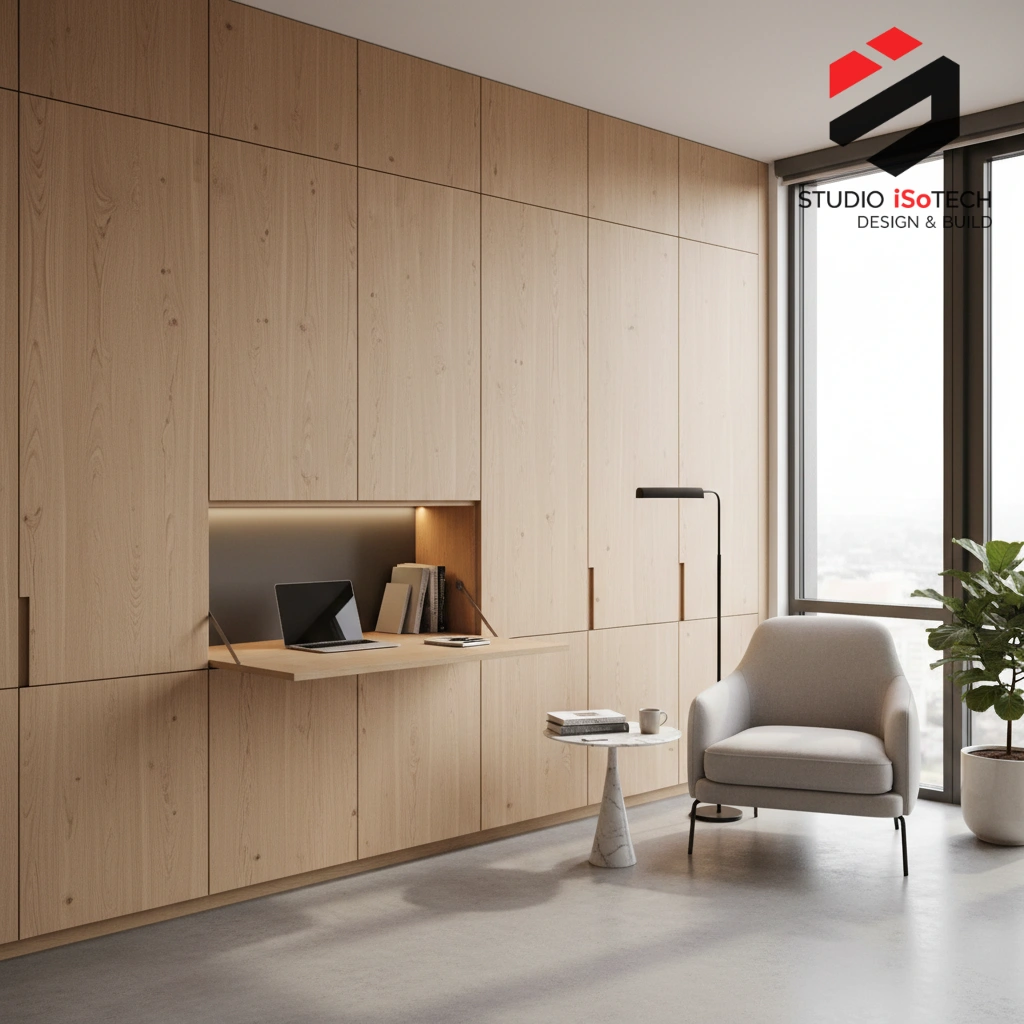
This is where creating functional living spaces gets creative. Planners use built-in storage. They use sliding doors or movable partitions. They design furniture that serves two purposes.
The Impact of Light and Views
Space planning is not just about the floor plan. It is a three-dimensional process. It involves light. The importance of space planning in modern architecture is tied to nature.
Where are the windows? How does light enter the building? A good plan will place important rooms to catch the best light. A kitchen might get morning sun.
The plan also considers views. A living room should be oriented toward the best view. A bathroom might be placed for privacy. The plan connects the inside to the outside.
Connecting Indoors and Outdoors
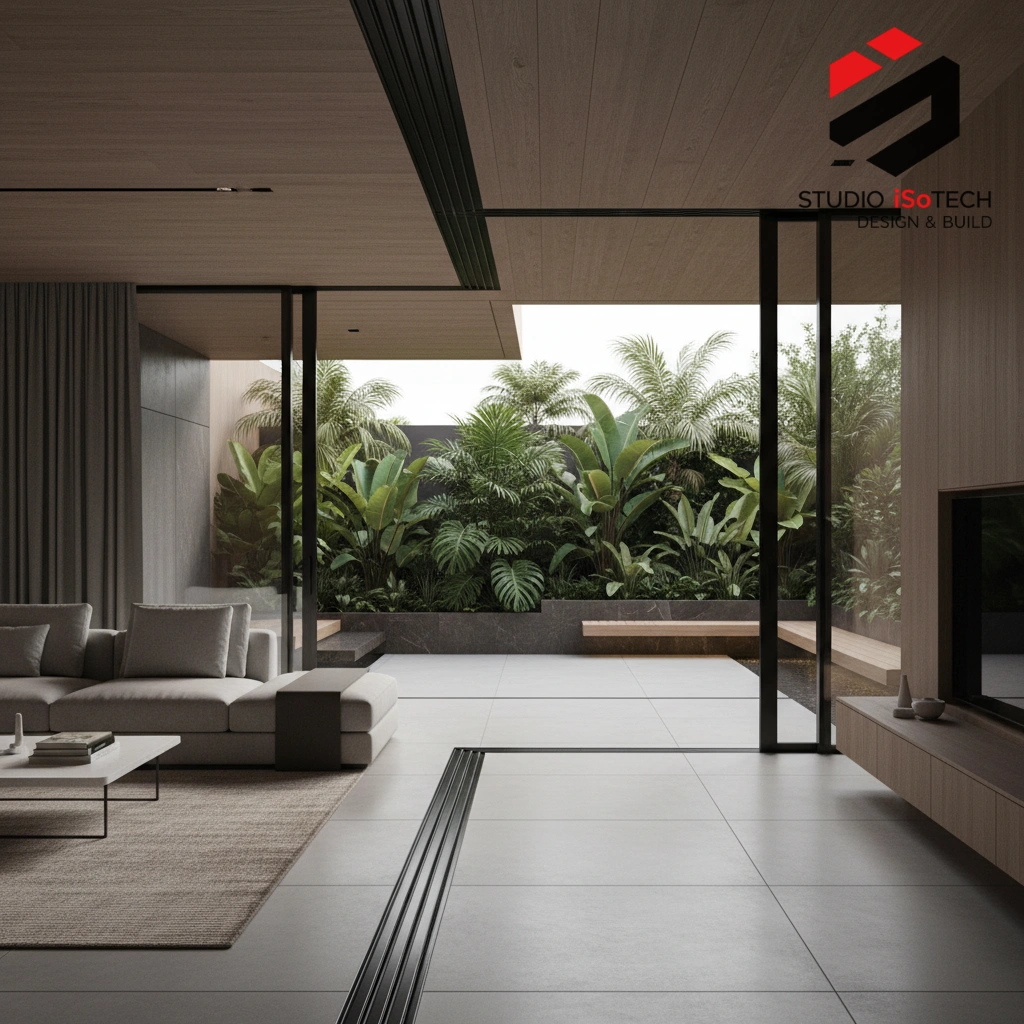
Modern architecture loves this connection. We see large glass doors. We see patios that act as outdoor rooms. This is also a form of space planning.
The architect plans the transition. The goal is to make the indoor and outdoor spaces feel like one. This requires a seamless concept of flow in architecture. This is a strategy often employed in collaboration with a top Landscape Design Company in Bangladesh.
This makes the home feel larger and more open. It provides a connection to nature. This is another one of the great benefits of good space planning.
Summary
The importance of space planning in architecture is huge. It is like a backbone that makes a building work. Space planning turns a space into a home where people can live and feel good. Architects think about zoning, flow, scale and light to create comfortable spaces. For example Studio iSoTech designs spaces that are easy to live in. As life gets more complicated we need planning to make spaces that support our well-being. That is why people look for the best interior design companies to help with their space problems. They search for the Best Interior design company near me. Good space planning makes a difference, in our daily lives.
Frequently Asked Questions (FAQ)
1. What is the difference between space planning and interior design?
Space planning is like the structure of the design. This is where you figure out the layout and how people will move around in the space. You also decide on the areas of the floor plan. Think of design, as the decoration. This is where you pick out the finishes and the furniture and the colors and the textures that make the space feel nice. To have interior design you need to have good space planning as the base. Good space planning and good interior design go together space planning is the starting point and interior design is what makes the space planning look good.
2. What is the “concept of flow in architecture”?
Flow, or circulation, is how people move through a building. Good flow is intuitive and unobstructed. It involves creating clear pathways between rooms and zones. This prevents bottlenecks and makes a space feel open and easy to navigate.
3. Why is space planning so important for an open-plan home?
In a house the walls tell you what each room is for. In a house with a big open space there are not many walls. So you have to use things to make it work. You can use the furniture to make groups and you can change the height of the ceiling or use different kinds of floors and light to make different areas, like a kitchen area or a living area in the big space. This helps so the space does not feel too crazy. The kitchen area and the living area are still separate even though they are, in the big space and that is what makes it nice.
4. What are the main benefits of good space planning?
The main benefits are:
- Functionality: Every space has a clear purpose and works efficiently.
- Flow: Moving through the home is easy and intuitive.
- Comfort: The space feels balanced, in scale with the human body, and psychologically calming.
- Value: A well-planned home is more desirable and has a higher property value.